
Preventing development does not automatically create effective conservation, so dryland landowners considering a permanent conservation easement must test whether the deed can protect habitat through drought, fire, changing water availability, and future ownership. A spring, stock well, firebreak, access road, or building envelope can determine whether the recorded restrictions remain both ecologically useful and operationally workable.
Is a perpetual conservation easement the right tool for this dryland property?
A conservation easement is suitable only when permanent restrictions match documented habitat values, long-term land use, and the capacity of the proposed holder. The deed must also preserve any legitimate activities expected to continue through drought, inheritance, refinancing, and eventual sale.
A conservation easement separates restricted land uses from ownership
A conservation easement does not automatically transfer the property or day-to-day control. It usually creates a recorded real-estate interest that restricts specified uses while the owner retains title and reserved rights. The deed may bind heirs and purchasers, but the governing country, state, province, county, municipality, or tribal jurisdiction determines the instrument’s legal effect.
| Future scenario | Required deed response | Evidence to review | Stop condition |
|---|---|---|---|
| A child inherits the ranch and continues grazing | Permit grazing, water use, fencing, and drought adjustments under measurable conditions | Succession plan, grazing records, habitat survey, and applicable law | The deed assumes grazing will cease or leaves approval entirely discretionary |
| A dwelling or farm building becomes necessary | Map building envelopes, access, and infrastructure limits | Survey, zoning, family plans, and development-cost estimates | No practical location remains for foreseeable housing or operations |
| The property is sold or refinanced | Bind later owners while preserving defined economic uses | Title report, lender review, and comparable encumbered sales | A prior mortgage could defeat the easement after foreclosure without lender subordination |
| Drought changes water or forage availability | Allow adaptive management without weakening protected conservation values | Water records, ecological baseline, and locally relevant drought indicators | Fixed operating requirements become unsafe or ecologically counterproductive |
Eligible holders and terminology differ. For example, Maine’s conservation-easement framework describes deeds granted to government entities or qualified land trusts, with enforcement rights extending against future owners. That structure should not be assumed elsewhere without local legal review.
Permanent restrictions require a multigenerational land-use test
Test the deed against the next owner’s plausible decisions, not only the current owner’s intentions. A conservation easement does not replace a will, trust, business succession plan, or agreement among co-owners. Payment or tax treatment also does not prove suitability, and annual property-tax savings should never be assumed without property-specific advice.
Compare the proposal with term-limited conservation agreements, habitat-management contracts, cost-share programs, restrictive covenants, or sale to a conservation buyer. NC State Extension distinguishes perpetual easements from agreements whose restrictions expire, illustrating why instrument type matters.
Before paying for surveys, appraisal, and drafting, obtain local legal and accounting advice on amendment, condemnation, extinguishment, merger, and judicial modification. Check the holder’s eligibility and accreditation where relevant, but do not treat accreditation as a substitute for reviewing finances, stewardship systems, and enforcement capacity. The next step is to identify every water, mineral, access, and title interest that could control whether the promised conservation survives.
The conservation easement must identify every water, mineral, access, and title interest
A dryland conservation easement cannot reliably protect habitat unless the deed reflects complete title and legal control over scarce water, subsurface minerals, roads, utilities, and access. Resolve mortgages, leases, severed rights, boundary conflicts, and senior claims before signing because the surface owner may not control every ecologically important interest.
- Title: Obtain a current title commitment or report listing owners, mortgages, liens, leases, covenants, existing easements, and other recorded claims. Require lender subordination or another legally effective protection where a senior mortgage could jeopardize the conservation easement.
- Boundaries: Match a recordable legal description to a current survey. Mark exclusions, building envelopes, roads, water infrastructure, and disputed fence lines on the same map used by the deed.
- Access and utilities: Document recorded and customary routes, public rights-of-way, neighboring access claims, utility corridors, and maintenance rights. A conservation-easement registry may not disclose these separate interests. The State of Maine Conservation Easement Registry FAQ, for example, says its registry excludes rights-of-way and utility easements.
- Other resources: Confirm ownership and leasing status for groundwater, geothermal resources, timber, renewable-energy rights, and subsurface storage where relevant under local law.
Water rights must be matched to habitat needs and retained land uses
Inventory every certificate, permit, decree, well record, diversion record, priority date, and documented use. For each right, verify its authorized purpose, quantity or rate, season, diversion point, place of use, transferability, and exposure to curtailment or forfeiture through nonuse.
The deed should state whether water may be sold, leased, severed, transferred, abandoned, or changed from habitat support to another use. A promise to protect a spring or wetland has little force if a senior right can dewater the feature, pumping can reduce its source, or beneficial-use rules conflict with leaving water in place. Local water counsel should reconcile habitat needs with livestock supply, domestic use, restoration, and drought rules.
Severed mineral rights can undermine surface conservation restrictions
Commission a mineral ownership report and obtain active, dormant, and expired leases plus surface-use agreements. Determine whether another party can enter the property for exploration or extraction despite surface restrictions.
Where mineral rights cannot be acquired or subordinated, the deed should address roads, pads, pipelines, pits, waste, reclamation, erosion, and habitat fragmentation within the limits of local law. Registry status does not resolve those conflicts. In Maine, the primary holder registers qualifying easements and must monitor subject easements at least once every three years, but local requirements vary. Once legal control is clear, test whether the conservation terms remain workable during ecological change.
Dryland conservation terms should remain workable during drought, fire, and ecological change
A dryland conservation easement should protect ecological functions without freezing one historical landscape condition in place. The deed needs enforceable limits alongside enough management flexibility for drought response, wildfire preparation, erosion control, invasive-species treatment, habitat movement, and restoration supported by credible local evidence.
The Minnesota Land Trust, for example, individually crafts its easements, permits vegetation work under approved habitat plans, and conducts annual monitoring on properties it protects. Each dryland deed still requires terms matched to its jurisdiction, ecology, and land use.
Habitat connectivity and drought refuges need mapped, enforceable protection
Check whether the baseline maps ecological functions rather than merely property boundaries. Maps should identify seasonal and perennial water, shaded refuges, breeding areas, movement bottlenecks, sensitive soils, disturbed ground, fences, roads, and adjoining habitat connections. Restrictions on lighting, clearing, fencing, and water development should address documented threats.
Guidance on how to interpret IUCN Red List information can support species due diligence, but global status does not replace current property-level surveys, local habitat records, or seasonal fieldwork.
Grazing provisions should use measurable dryland triggers rather than fixed assumptions
Check whether livestock use can change as forage and rainfall change. Record existing livestock classes, stocking patterns, grazing seasons, water points, fences, and pasture rotations. The management plan should connect destocking, deferment, or redistribution to locally accepted indicators such as ground cover, forage condition, erosion, riparian condition, invasive plants, and habitat objectives.
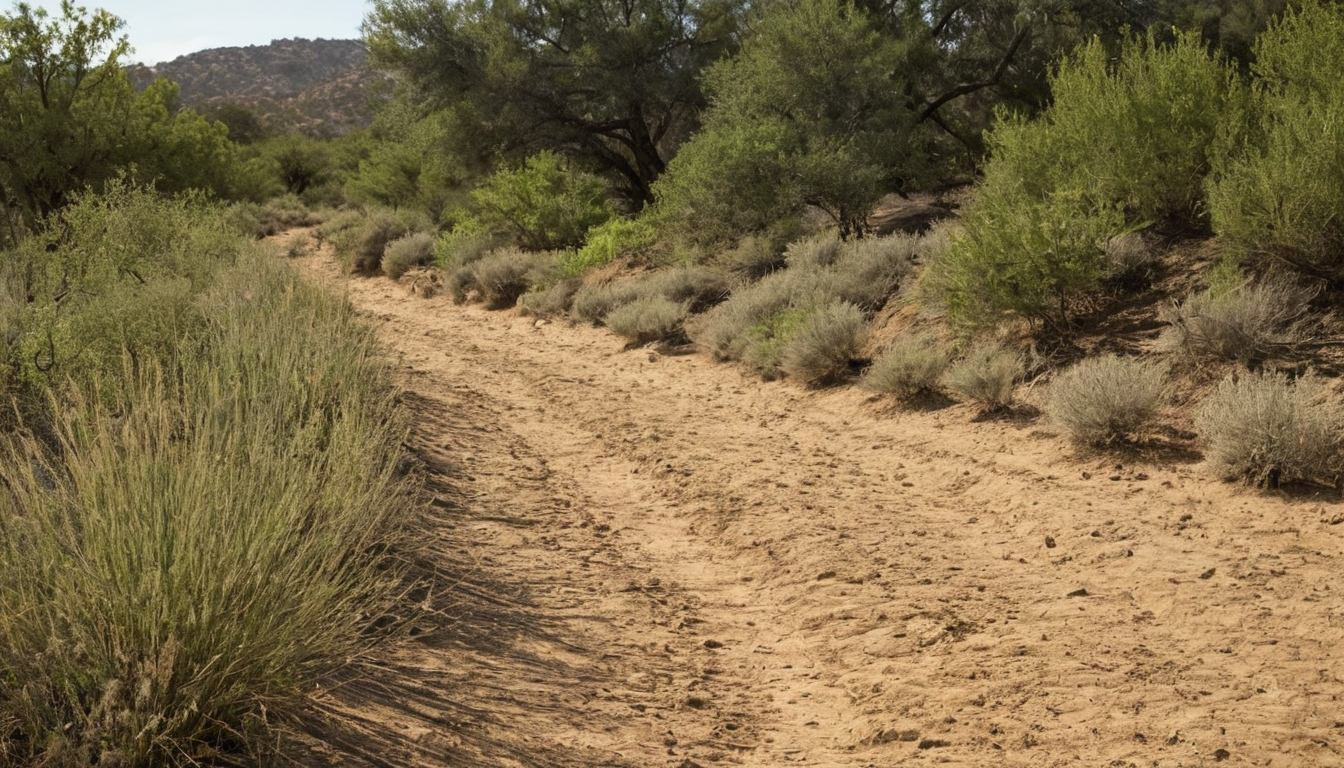
Dryland conservation terms should remain workable during drought, fire, and ecological change shown with outdoor scale and terrain cues.
The deed should identify who updates the management plan, which evidence is required, and whether holder approval has a deadline. It should also distinguish a routine operational adjustment from a deed amendment.
Fire and restoration clauses must authorize necessary disturbance
Check whether broad prohibitions would block essential work. Clauses restricting clearing, chemicals, soil disturbance, or construction should expressly address lawful firebreaks, defensible space, emergency access, prescribed burning, erosion repair, revegetation, and invasive-species control.
The deed should separate routine notice, prior approval, emergency action, and post-fire recovery while protecting biological crusts, waterways, sensitive soils, and non-target species. Once these adaptive powers are clear, every reserved right must be tested for its cumulative conservation impact.
Every reserved right should be tested for its cumulative conservation impact
Reserved rights keep a conservation easement livable and economically workable, but broad exceptions can defeat its environmental conservation purpose. Each right should specify location, scale, frequency, approval procedures, and ecological limits, while the deed assesses combined impacts from buildings, roads, utilities, recreation, energy projects, and commercial uses.

Every reserved right should be tested for its cumulative conservation impact shown as a landscape planning reference.
Building, subdivision, roads, and utilities require measurable limits
The deed and attached maps should distinguish building envelopes, agricultural zones, roads, utility corridors, restoration sites, and no-disturbance areas. Zoning permission should not be mistaken for permission under the easement.
| Reserved use | Measurable deed terms | Approval and enforcement test |
|---|---|---|
| Parcels and buildings | Maximum lots, residences, structures, footprints, heights, and locations | Confirm siting before construction and count all existing and proposed development |
| Roads, parking, and utilities | Mapped corridors, surface-area limits, temporary disturbance, erosion control, and restoration | Assess fragmentation and stream or wildlife crossings cumulatively |
| Lighting and commercial activity | Operating area, frequency, visitor capacity, hours, and measurable lighting limits | Review events, tourism, home businesses, and exterior lighting using principles for wildlife-friendly outdoor lighting in dry landscapes |
Public access is a separate choice unless governing law or funding requires it
The deed should state whether access is private, limited to researchers or hunters, or open to visitors. Any required access should address insurance, liability, parking, sanitation, emergency response, seasonal closures, and capacity limits. The holder must then show that it can monitor these detailed limits and enforce them permanently.
The easement holder must be capable of perpetual monitoring and enforcement
The durability of a conservation easement depends on the holder’s legal eligibility, governance, technical competence, financial reserves, and willingness to enforce restrictions against future owners. Examine monitoring procedures, dryland expertise, audited finances, stewardship funding, insurance, conflict rules, transfer policies, and enforcement history as carefully as the deed.
Baseline documentation must be detailed enough to support future enforcement
The baseline report should distinguish a violation from drought, wildfire, grazing impacts, or ordinary ecological change. It should include dated maps, georeferenced photographs, habitat and water-feature descriptions, land-use history, and inventories of roads, buildings, fences, wells, erosion, weeds, and existing disturbances. Custody, access, certification, and update procedures should also be explicit.
Land Trust Alliance Practice 11B calls for written descriptions, maps, and photographs where its standards apply. If seasonal conditions prevent completion before closing, the parties should document interim conditions and sign a completion schedule.
Amendment and enforcement policies should protect the original conservation purpose
The holder should provide written procedures for inspections, approvals, violations, notice, cure periods, restoration, mediation, cost recovery, litigation, amendments, transfer to a successor holder, and organizational dissolution. Significant exercises of reserved rights or later amendments should produce a monitoring report, baseline supplement, or current-conditions record.
Before assessing payment or tax advantages, confirm that neither amendment language nor holder discretion can quietly weaken the protected conservation values.
Payment, tax benefits, financing, and resale require separate professional review
A conservation easement may be donated, purchased, or completed through a mixed transaction, but owners should not assume a financial gain until current law, valuation, transaction costs, lender requirements, stewardship funding, and the market value of retained uses have been reviewed separately.
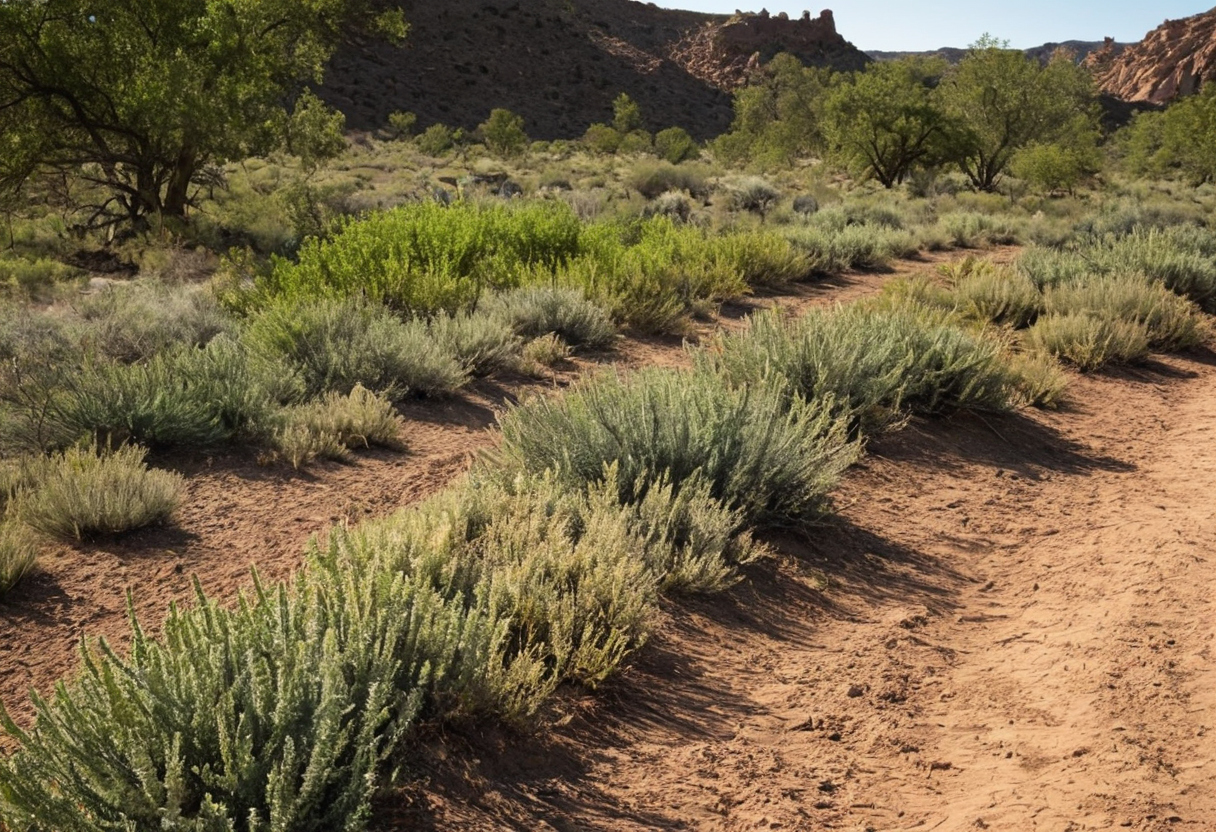
Payment, tax benefits, financing, and resale require separate professional review shown with outdoor scale and terrain cues.
Conservation easement tax benefits depend on current eligibility and appraisal rules
- Classify the transaction: Record whether the easement is a donation, bargain sale, purchase, mitigation arrangement, or grant-funded agreement.
- Verify current rules: Ask a qualified tax adviser to check national, state or provincial, and local provisions for the relevant taxpayer and tax year, including eligibility, conservation purpose, perpetuity, substantiation, filing, and basis treatment.
- Commission an independent appraisal: Obtain any required before-and-after valuation from a qualified appraiser. For selected applications, the Minnesota Land Trust compensation program uses a certified appraiser and limits its one-time payment to the appraised value.
- Budget full costs: Include legal, title, survey, ecological, appraisal, recording, tax-advice, and stewardship expenses. Some holders maintain dedicated stewardship and enforcement funds, but the deed or project agreement should identify any owner contribution.
Resale analysis should focus on retained utility and buyer obligations
- Obtain lender consent where required and ask how the restrictions affect collateral value, refinancing, and insurance.
- Compare local sales using the retained rights for housing, grazing, water, access, leasing, and income generation, not acreage alone.
- Identify transfer notices, holder approvals, fees, monitoring access, restoration duties, and liability for unresolved violations.
- Ask a rural appraiser or broker which permitted uses future buyers can verify directly from the deed and baseline documents.
Complete title review, surveying, environmental assessment, appraisal, and baseline documentation before relying on a projected value. The financial model is reliable only when every assumed retained use appears in enforceable language.
Landowners should complete a clause-by-clause review before signing the conservation easement
Before signing, the landowner’s independent legal, tax, valuation, title, water, and ecological advisers should test the final deed against its maps, baseline records, management needs, and realistic future conditions. The review should cover drought, wildfire, erosion, inheritance, sale, foreclosure, condemnation, infrastructure failure, water shortage, and disputes with the holder.
A pre-signing checklist should convert every promise into enforceable language
A conservation easement remains attached to the land after ownership changes, so verbal assurances and informal emails cannot substitute for recorded terms. Independent local counsel should explain each restriction, reserved right, approval process, enforcement power, and incorporated document in writing.
- Match the deed to the property. Confirm the legal description, survey, boundaries, ownership entities, water rights, mineral interests, leases, mortgages, access rights, and utility corridors. Resolve discrepancies before execution.
- Map every reserved use. Show building envelopes, wells, stock-water facilities, roads, firebreaks, grazing areas, renewable-energy sites, and restoration zones. State measurable limits on location, footprint, surface disturbance, lighting, and expansion.
- Define approvals. Replace phrases such as “reasonable use” and “ecologically compatible” with criteria, required evidence, response deadlines, emergency exceptions, and a process for challenging a refusal.
- Complete the baseline. The Land Trust Alliance’s Practice 11B calls for the landowner and land trust to sign the baseline at or before closing, except where seasonal conditions require an agreed completion schedule.
- Agree on stewardship procedures. Specify monitoring access, notice, amendment, dispute resolution, enforcement, wildfire response, invasive-species control, erosion repair, and documentation after significant changes.
- Obtain necessary consents. Confirm signatures or subordination documents from lenders, spouses, co-owners, lessees, mineral owners, and agencies where applicable. The controlling deed should also state notice requirements for sales, entity transfers, new rights-of-way, and secured loans.
- Allocate costs. Record who pays transaction, appraisal, monitoring, stewardship, restoration, enforcement, amendment, transfer, and boundary-maintenance expenses.
The landowner should pause if key rights remain vague or undocumented
Pause the transaction if water certificates, mineral title, access rights, lender priority, valuation assumptions, boundaries, or baseline evidence remain incomplete. A mapped spring or stock well is not protected operationally if the deed fails to address diversion, maintenance access, replacement, drought curtailment, and habitat needs.
Renegotiation is also warranted when the holder has unrestricted discretion over routine ranch work, no funded monitoring plan, no clear successor-holder procedure, or no method for resolving conflicts between the deed and a management plan. Tax projections, zoning permissions, and current operating practices must not be treated as deed rights unless the final language preserves them.

Landowners should complete a clause-by-clause review before signing the conservation easement shown as a landscape planning reference.
Do not sign with an unresolved-issues list. Assign each ambiguity to a responsible adviser or negotiator, require a written revision and review deadline, and proceed only when the recorded deed describes a workable conservation outcome under both dry years and ownership change.
Frequently asked questions
What are the main drawbacks of a perpetual conservation easement on a working dryland property?
The principal drawbacks are permanent limits on development and subdivision, possible reductions in financing or resale flexibility, approval requirements for land management, transaction costs, and conflicts between fixed deed language and changing water or grazing conditions. These drawbacks become serious when reserved rights are vague or ecological objectives are poorly documented.
Who controls the land after a conservation easement is signed: the owner or the easement holder?
The owner generally retains title and manages the property within the deed’s restrictions. The easement holder receives defined monitoring and enforcement rights, which may include entry for inspections and authority to require correction of violations. The recorded deed, not an informal understanding, determines the division of control.
Can a landowner be paid for a conservation easement, and when might tax benefits apply?
A qualifying program or conservation buyer may purchase an easement, and a landowner may instead donate one or complete a bargain sale. Tax benefits depend on current jurisdiction-specific law, conservation purpose, valuation, documentation, taxpayer eligibility, and filing requirements. Payment and tax benefits should be reviewed independently.