
Is a “warm” lamp or a “dark-sky” label enough to make outdoor lighting safe for wildlife? No. The sound choice is a low-output, shielded fixture installed for a documented task, controlled by time and location, and checked after dark. No fixture label or universal kelvin, lumen, or lux figure can establish wildlife safety across species and sites.
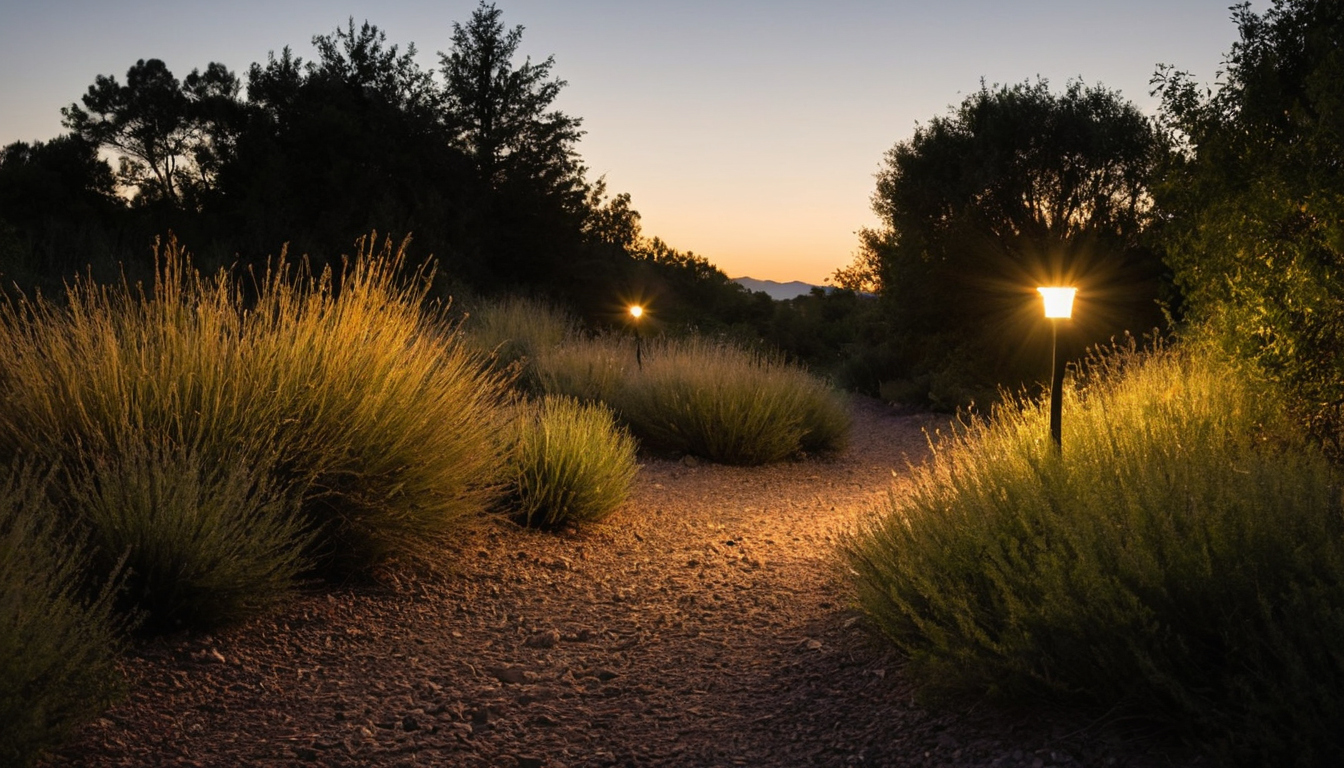
Wildlife-Friendly Outdoor Lighting in Dry Landscapes: How to Choose Fixtures and Controls shown as a landscape planning reference.
What does wildlife-friendly outdoor lighting require in a dry residential or visitor landscape?
Wildlife-friendly outdoor lighting provides only the illumination required for a defined task, confines it to the intended surface, selects the least disruptive practical spectrum, and switches off when the task ends. Local safety rules and wildlife conditions still govern lighting at homes, lodges, campsites, paths, car parks, service yards, and security points.
Wildlife-friendly, DarkSky Approved, code-compliant, and energy-efficient are not equivalent descriptions. DarkSky International defines light pollution as human alteration of naturally occurring outdoor light levels. Its approval program covers products, designs, and installations intended to reduce that pollution, but approval does not prove that a particular installation complies with local law or protects every species.
ENERGY STAR reports that qualified LEDs use at least 75 percent less energy and can last up to 25 times longer than incandescent lighting. Energy performance, however, does not establish acceptable glare, spill, spectrum, or operating hours. Similarly, preservation guidance such as the National Park Service Museum Handbook concerns museum collections rather than outdoor wildlife exposure.
What does wildlife-friendly outdoor lighting require in a dry residential or visitor landscape shown as a car-free Al Marjan Island travel planning reference.
Every light needs a task, surface, and operating period
| Documented task | Exact illuminated surface | Operating window |
|---|---|---|
| Gate or guest-unit recognition | Latch, number, key box, or threshold | During arrival |
| Walking on an uneven path | Level changes and path edges | While occupied |
| Using a water point | Tap, basin, and immediate footing | On demand |
| Handling refuse | Bin opening and approach | Brief task period |
| Staff movement or maintenance | Service route or work surface | Scheduled shift or repair |
| Emergency access | Required route and entrance | Emergency operation |
Reflective markers, contrasting paving, visible handrails, and portable task lights can replace permanent area lighting where continuous illumination is unnecessary. The practical decision order is need, location, output, shielding, spectrum, operating period, then nighttime verification.
Conservation measures do not override legal duties
Property owners must distinguish mandatory building, electrical, accessibility, fire, workplace, road-safety, and protected-species requirements from voluntary guidance and conventional overlighting. DarkSky recognition of a municipal code concerns that adopted code, not every other legal duty. Conflicts require advice from the responsible authority or a qualified professional, not reductions made by guesswork.
Once every proposed light has a task and legal basis, the next test is biological exposure.
How can artificial light affect wildlife in arid landscapes?
Artificial light can affect orientation, feeding, movement, predation, reproduction, and daily timing, but risk varies among species, habitats, seasons, spectra, intensities, and exposure periods. Broad research supports caution without supplying a universal threshold for an individual arid site.
Different animal groups require different risk checks
A peer-reviewed review of artificial light and nocturnal insects proposes five categories of impact and describes effects beyond familiar flight-to-light attraction, including risks to light-based communication in fireflies. The review reports that responses depend on intensity, spectral composition, and flicker, but it does not define a wildlife-safe exposure level.
- Insects: Check flowering plants, water, refuse areas, and vegetation responding to rainfall. Attraction can interrupt feeding or reproduction, increase predation, or create an ecological trap.
- Bats: Check roost exits, cliff faces, water points, and commuting routes. Some bats avoid illuminated areas, while others feed around concentrated insects. Neither response proves that lighting is harmless.
- Reptiles: Check burrow entrances, nesting ground, walls, and warm paths. Light may alter emergence, orientation, hunting, or exposure to predators.
- Birds: Check nests, migration periods, and bright vertical surfaces. Risk differs among resident, breeding, and migrating birds.
- Nocturnal mammals: Check dry washes, water, vegetation edges, and movement corridors. Avoidance can restrict access, while attraction can increase encounters with vehicles, people, or predators.
Lamp technology also needs careful interpretation. The insect review characterizes sodium lamps as concentrated in yellow-to-orange regions and mercury-vapor lamps as broader sources with substantial ultraviolet output. LEDs can produce selected wavelengths, but a product’s actual spectral power distribution is still required. Shielding can restrict light trespass, although shielding alone does not eliminate glare or ecological effects.
The review also reports global and regional sky-brightness estimates, including 23 percent of land between 75°N and 60°S experiencing nightly light pollution at least 8 percent above natural levels. A cited meta-analysis found regional annual increases ranging from 0 to 20 percent, averaging 6 percent. These figures describe broad sky conditions, not local biological outcomes.
The National Park Service evidence synthesis provides another measure of the evidence base. A Web of Science search established in 2018 captured 92 percent of a known comparison set, after which annual searches and expert screening produced 618 relevant studies covering 1978 through 2024. Its analysis included 407 wildlife and 50 human-response studies, with much research focused on built-environment light. Relevant wildlife papers first appeared in 1991 and increased noticeably after 2011.
The National Park Service classified sources as built environment, transportation, recreation, resource extraction, military, or other, yet no included study investigated multiple source categories. That limitation matters at lodges and settlements where roads, buildings, vehicles, and recreation may expose wildlife together.
Sensitive periods can change the acceptable lighting plan
Rainfall pulses, insect emergence, flowering, breeding, migration, hatching, and juvenile dispersal can turn a quiet location into sensitive habitat. A local wildlife calendar should trigger temporary curfews, lower output, narrower sensor zones, or shutdown near roosts, nests, burrows, washes, cliffs, water, and movement corridors.
How can artificial light affect wildlife in arid landscapes shown with outdoor scale and terrain cues.
Endangered species need a site-specific review
Properties near protected habitat should check current species lists, habitat maps, recovery plans, permits, and agency consultation duties. Guidance on how to interpret an IUCN Red List assessment provides conservation context, but IUCN status does not replace local law. A qualified wildlife biologist should review lighting where endangered species or sensitive habitat may occur.
Properties near protected habitat should check current species lists, habitat maps, recovery plans, permits, and agency consultation duties shown with outdoor scale and terrain cues.
Which fixture specifications reduce glare, spill, and wildlife exposure?
A low-output, fully shielded fixture aimed at one surface is generally preferable to a bright decorative luminaire. Procurement should depend on installed photometric performance, spectral data, controllability, durability, and repairability.
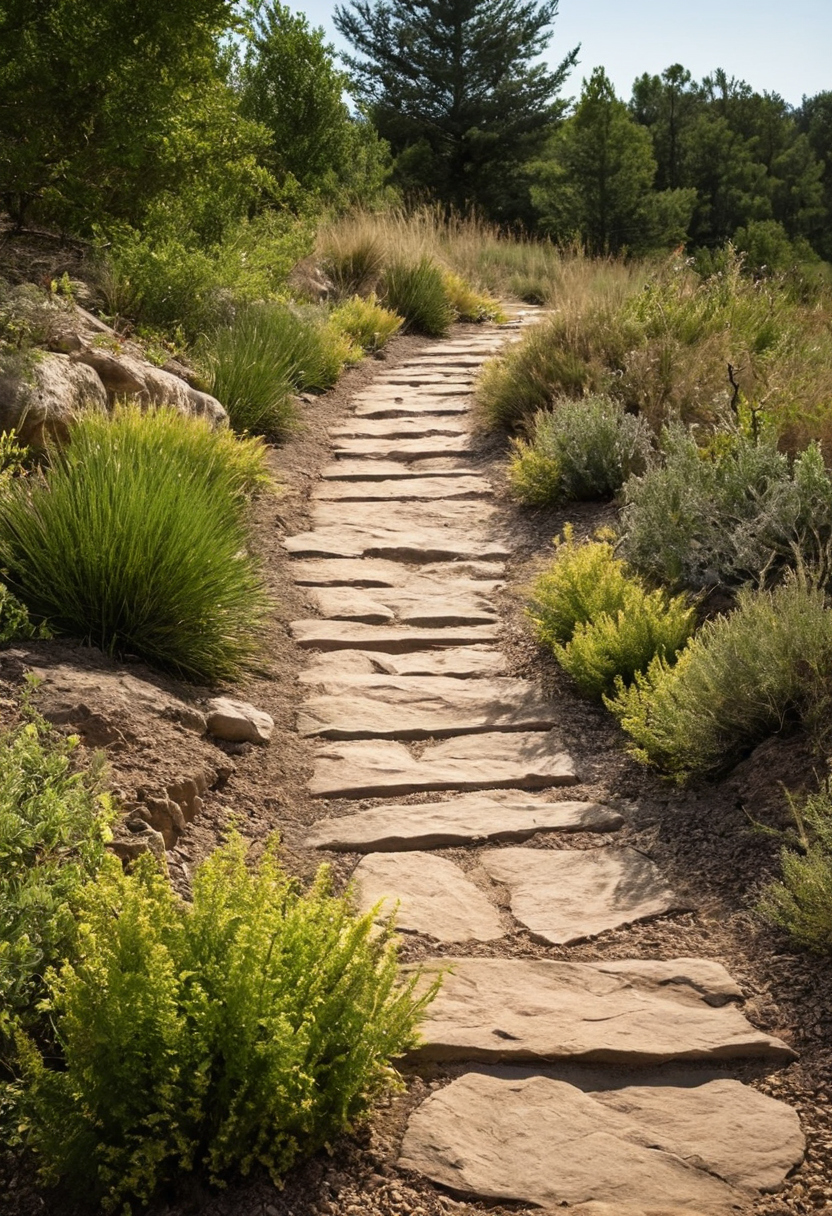
Which fixture specifications reduce glare, spill, and wildlife exposure shown as a landscape planning reference.
Shielding and aiming outweigh decorative style
- Distribution gate: Request the photometric report or IES file for the exact lamp, optic, shield, output, accessories, and mounting arrangement. Prefer zero uplight, controlled beam spread, low practical mounting, and the least output that meets the task. Reject exposed lamps, clear globes, uplights, or heads that can tilt above the target. A BUG rating describes backlight, uplight, and glare, while “focused” is only general marketing language.
- Spectrum gate: Request measured spectral power distribution rather than relying on correlated color temperature. Prefer reduced short-wavelength output where local wildlife biology supports it, while retaining enough color discrimination for steps, entrances, food preparation, surveillance, and emergencies. Reject claims supported only by a kelvin value or amber-colored packaging.
- Durability gate: Match ingress protection, operating temperature, ultraviolet resistance, corrosion compatibility, seals, brackets, and electrical components to dust, heat, wind-driven sand, insects, cleaning, and rare heavy rain. Prefer dimmable drivers, replaceable sensors, repairable parts, and stable aiming hardware. Reject designs likely to produce glare after lens yellowing, bracket movement, seal failure, or dust accumulation.
A technically suitable fixture can still cause unnecessary exposure if its placement and operating time are poorly controlled.
Which controls and placement choices keep outdoor lighting off when it is not needed?
Timers, curfews, dimming, sensors, and separate circuits work only when they activate the smallest necessary area for the shortest practical period.
Zones should follow tasks rather than property boundaries
Mark entrances, paths, parking, service areas, habitat buffers, washes, roads, windows, and wildlife routes on the site plan. Separate circuits prevent one arrival or maintenance task from illuminating the whole property. Low wall, step, or handrail-integrated lights can contain light better than widely spaced bollards where mounting surfaces permit accurate aiming.
Use an astronomical timer for predictable shared areas, a fixed schedule for staff shifts, and a manual switch with automatic shutoff for rarely used outbuildings. Pair photocells with timers because a photocell alone operates until dawn. Continuous lighting required for a documented hazard should remain isolated from unrelated areas.

Which controls and placement choices keep outdoor lighting off when it is not needed shown as a landscape planning reference.
Motion sensors require nighttime testing
Record each sensor’s field of view, detection distance, mounting height, minimum-on time, retrigger behavior, and standby output. Test people and vehicles as well as small mammals, insects, moving branches, dust, and hot surfaces. Begin with a short practical delay, then redirect or narrow the detection zone where nuisance activation persists.
How should outdoor lighting safety, compliance, and product claims be verified?
Outdoor lighting should be checked against applicable law, the actual visual task, and measured or modeled performance. Greater brightness does not automatically provide better visibility or safety.
Verify the exact configuration before purchase
Obtain an independently tested photometric report and machine-readable IES or equivalent file. Match the file to the exact model, optic, output package, colour option, driver, shield, accessories, and mounting position. Reject generic product-family diagrams.
Confirm whether DarkSky Approved certification covers the complete fixture, one configuration, or a component. Separately check current rules for shielding, curfews, output, property-line trespass, and exemptions.
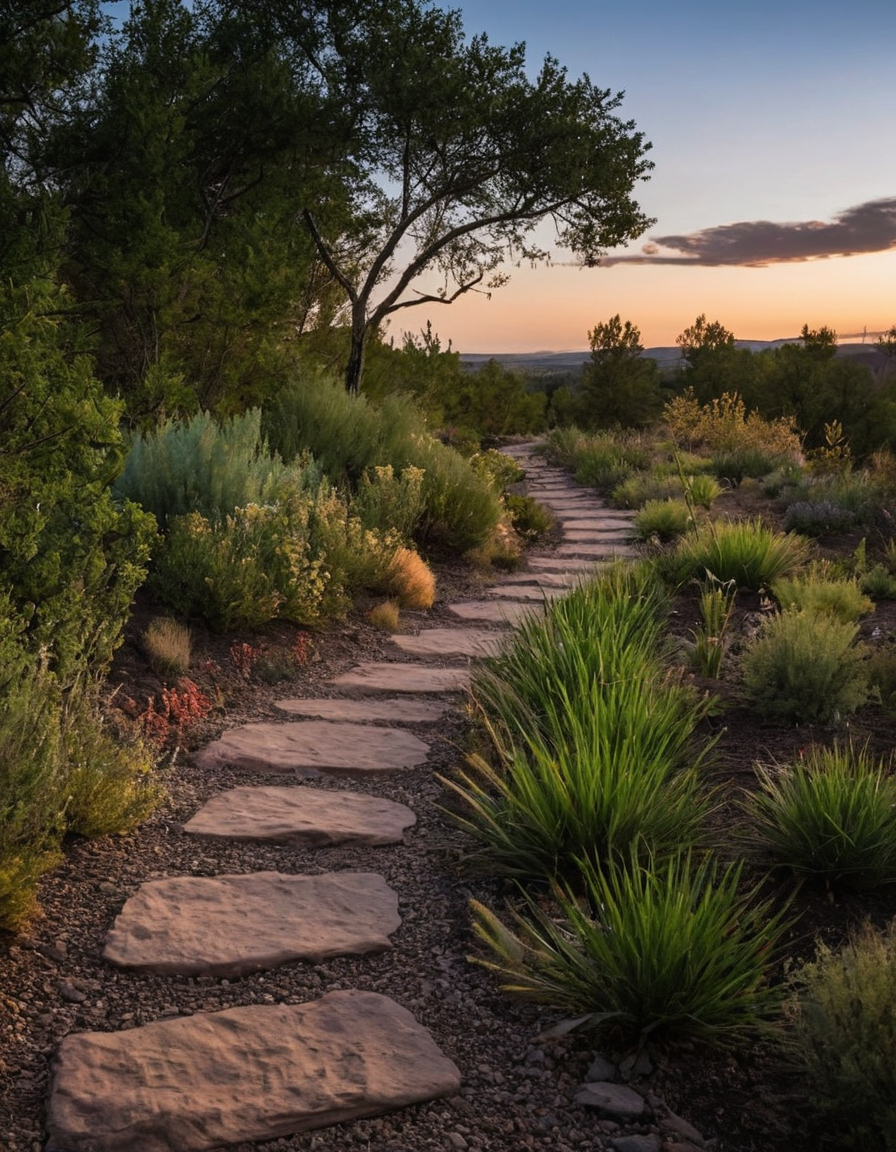
How should outdoor lighting safety, compliance, and product claims be verified shown as a landscape planning reference.
Inspect the completed installation at night
Check walking surfaces, steps, entrances, work areas, direct lamp visibility, harsh contrast, hidden hazards, upward spill, boundary trespass, surveillance images, and views from nearby habitat. Specialists should review roads, electrical work, accessibility, security, or protected-species issues within their competence.
A seasonal lighting audit keeps wildlife-friendly outdoor lighting effective
A responsible installation needs three stages of review: commissioning after dark, seasonal reassessment, and maintenance after dust, storms, vegetation growth, or equipment failure.
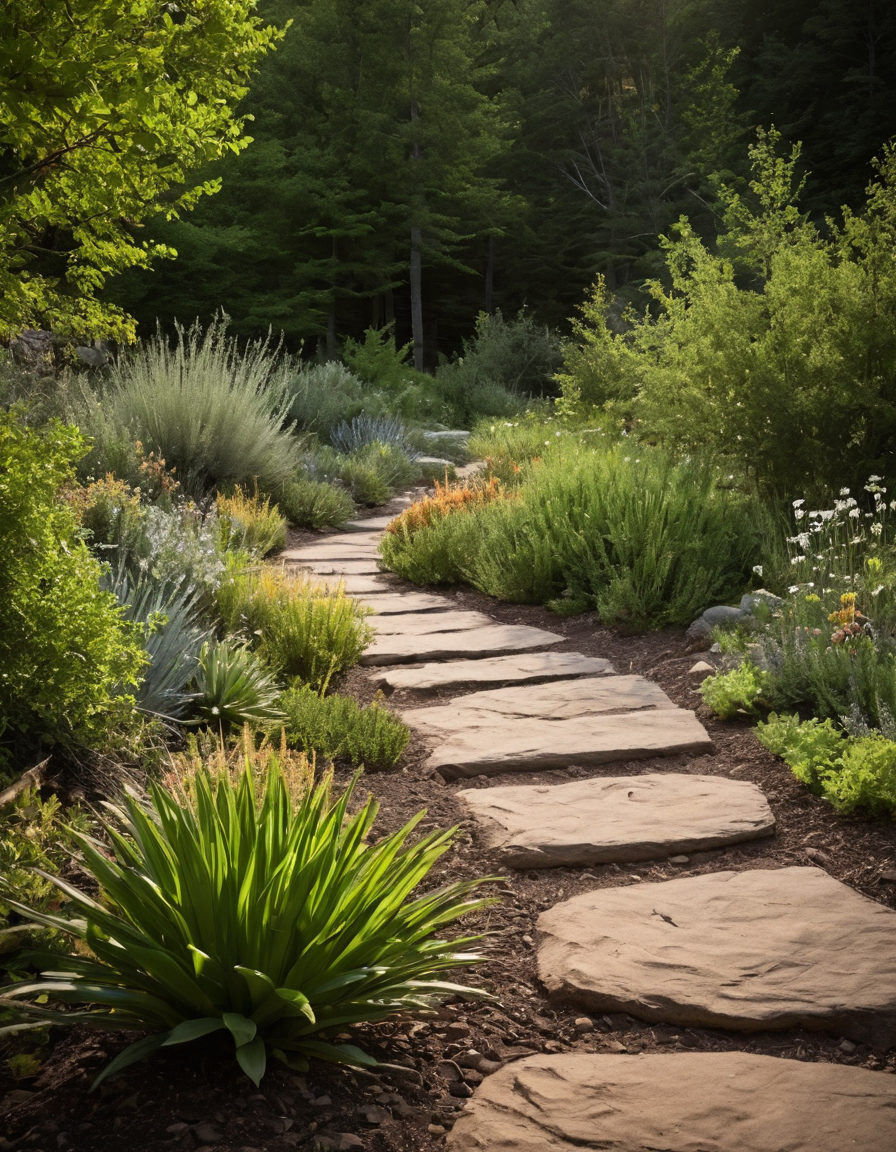
A seasonal lighting audit keeps wildlife-friendly outdoor lighting effective shown as a landscape planning reference.
Test, review, then repair selectively
- Commission: Record every fixture’s model, location, output, aim, schedule, sensor zone, and reason for installation. Check glare from the user position, habitat edge, boundary, nearby windows, road approach, and surveillance camera.
- Review seasonally: Recheck curfews, aiming, sensor zones, wildlife activity, rainfall responses, habitat screening, complaints, and legal conditions before sensitive periods.
- Maintain carefully: Use dry brushing, wiping, or limited-water cleaning where manufacturer instructions permit. Repair serviceable shields, seals, drivers, sensors, and brackets. If the original task no longer exists, remove the light instead of replacing it automatically.
Frequently asked questions
What are the best outdoor lights for wildlife when labels and colour temperatures are not enough?
Choose the lowest-output fixture that meets a documented task, has verified photometric and spectral data, remains fully shielded when installed, accepts reliable controls, and can withstand local dust and heat.
Is there a universal three-lighting rule for wildlife-friendly spaces?
No universal rule establishes wildlife safety. A useful planning sequence is to justify the task, confine the light, and limit operating time, followed by local ecological and legal review.
What rule of thumb should homeowners use near desert habitat?
Do not illuminate habitat merely because it lies within the property boundary. Light the specific step, latch, path change, or work surface, then switch the fixture off when nobody needs it.
Which mistakes create the most unnecessary exposure?
Common failures include exposed lamps, uplighting, excessive output, broad area lighting, dusk-to-dawn operation, sensors triggered by wildlife, and fixtures selected without exact photometric or spectral evidence.
Does dark-sky compliance make a fixture safe for endangered species?
No. Certification or code compliance can reduce certain forms of light pollution, but endangered-species protection requires local habitat information, applicable law, seasonal controls, and qualified biological review.
The lasting environmental conservation decision is not simply which lamp to buy. It is which lights remain justified after every nighttime and seasonal audit.