
You are about to pay a deposit for a desert tour, but the booking page shows a convoy on a dune track, dust hanging behind the vehicles, and several pale track scars beside the main route. That is the decision point: before the scenery sells the trip, check whether the operator can limit pressure on soil, wildlife, water, campsites, and waste.
The practical test is simple. A desert ecotour is too crowded when the operator cannot explain how many people and vehicles the site can absorb that day without spreading tracks, widening trails, disturbing animals, or leaving sanitation problems behind.
- Ask for the maximum group size. A real limit beats a vague “small-group” promise.
- Ask how many vehicles travel together. Vehicle pressure often matters more than seat count.
- Ask whether vehicles stay on designated routes. Off-track flexibility is usually a warning sign in fragile drylands.
- Ask how stops and campsites are rotated. Repeated use turns scenic stops into impact zones.
- Ask what happens when a viewpoint, waterhole, or campsite is already busy. A responsible guide must be able to leave.
- Ask how toilet waste, greywater, food scraps, and micro-litter are removed. Desert waste does not disappear because the site looks empty.
- Ask for wildlife approach, drone, and night-drive rules. Crowding at waterholes and sightings needs stricter control, not better sales language.
What does carrying capacity mean for a desert ecotour before a traveler books?
Carrying capacity for a desert ecotour means the number of visitors, vehicles, walking stops, camps, and waste loads a specific arid site can handle without unacceptable soil damage, trail widening, wildlife disturbance, or sanitation problems under local rules, season, rainfall history, and protected-area management limits.
Carrying capacity is a management limit, not a fixed universal number
A useful desert carrying-capacity answer is not “we run small groups.” A useful answer names the permitted route, the maximum vehicles, the maximum guests per guide, the toilet system, the campsite plan, and the point at which the guide will leave a busy site rather than add pressure.
The Limits of Acceptable Change approach treats tourism pressure as dynamic rather than as a single fixed number based only on tourist presence. The same framework assumes that some change follows visitor use, so managers must define what level of change is acceptable before roads, viewpoints, dunes, campsites, or wildlife areas degrade beyond the plan.

What does carrying capacity mean for a desert ecotour before a traveler books shown in a natural landscape context.
- Low booking risk: the operator refers to current park, conservancy, concession, or community-reserve limits and can explain how those limits affect the itinerary.
- Medium booking risk: the operator gives a guest number but cannot explain vehicle spacing, route permits, camp rotation, or what happens when a stop is already occupied.
- High booking risk: the operator uses broad phrases such as sustainable, untouched, or low impact while selling convoy-style travel, off-track driving, informal toilets, or repeated use of the same fragile viewpoint.
Protected-area research also separates capacity into more than one layer. An ecotourism carrying-capacity study in Iranian protected areas used physical carrying capacity, real carrying capacity, and effective carrying capacity to assess Lar National Park, Jajrud protected area, and Tangeh Vashi national natural monument. That distinction matters for travelers because a place may physically fit more people than managers can responsibly supervise under seasonal limits, ecological sensitivity, staffing, permits, and visitor behavior.
Desert carrying capacity is lower where recovery is slow
Desert capacity drops where damage persists after the tour leaves. Gravel plains, salt pans, dune edges, ephemeral washes, rocky desert trails, and vegetated pans do not absorb pressure in the same way. A dry wash may look like a road after one set of tyre marks, while a crusted soil surface beside the wash may lose stability after repeated footsteps or vehicle compression.
The Iranian protected-area study found the most negative ecotourism impacts in environmental and physical dimensions where the assessed areas were ecologically sensitive. The same study found different physical capacities among the three sites, with Lar National Park highest and Tangeh Vashi natural monument lowest, showing why one destination’s limit should not be copied onto another desert landscape.
Season also changes the answer. In the same study, Lar National Park and Tangeh Vashi natural monument had fewer tourists than their real and effective carrying capacities because ecotourism was seasonal, restrictions were high, and ecological sensitivity was high during the June to October tourism period. For a booking decision, that means the calendar, recent rain, wildlife breeding periods, road closures, and heat-risk management can all lower the responsible number of visitors even when a vehicle still has empty seats.
A traveler should therefore treat carrying capacity as an operational promise, not a marketing label: ask for the limits, ask who enforces them, and ask what the guide does when the desert is already busy.
Which pre-booking questions show whether a desert tour is too crowded?
A responsible desert tour operator should answer specific pre-booking questions about maximum group size, vehicles per guide, route permits, off-track rules, toilet systems, wildlife approach distances, and site rotation. Vague answers are a warning sign when the trip enters protected areas, fragile dunes, dry riverbeds, or remote camps.
Ask the desert operator for the maximum group size and vehicle count
The first screen is not the word “small.” The first screen is the operating limit. A private tour, scheduled group departure, self-drive add-on, and lodge activity can place very different pressure on the same track, waterhole, viewpoint, or campsite.
- What is the maximum number of guests on this departure? Good answer: a clear cap for the exact trip type. Warning answer: “It depends on demand” or “we keep it intimate” without a number.
- How many vehicles travel together? Good answer: a stated vehicle limit and spacing policy. Warning answer: the operator can add vehicles until seats sell out.
- How many guests does one guide supervise on walks and stops? Good answer: one guide can see and manage the whole group without people spreading onto crusted soil or dunes. Warning answer: guests wander while the guide handles vehicles, meals, or photography.
- Are commercial permits, vehicle permits, campsite bookings, and guide registrations current for the exact route? Good answer: the operator names the permit categories and confirms that drones, night drives, or restricted roads need separate approval where relevant. Warning answer: “everyone goes there” or “permits are handled locally” with no detail.
Ask the desert operator how routes, stops, and campsites are rotated
Desert carrying capacity depends on repetition. One stop by one vehicle may leave little visible change; the same stop used every afternoon can become a bare compacted pad with litter caught in shrubs and informal footpaths spreading from the parking point.
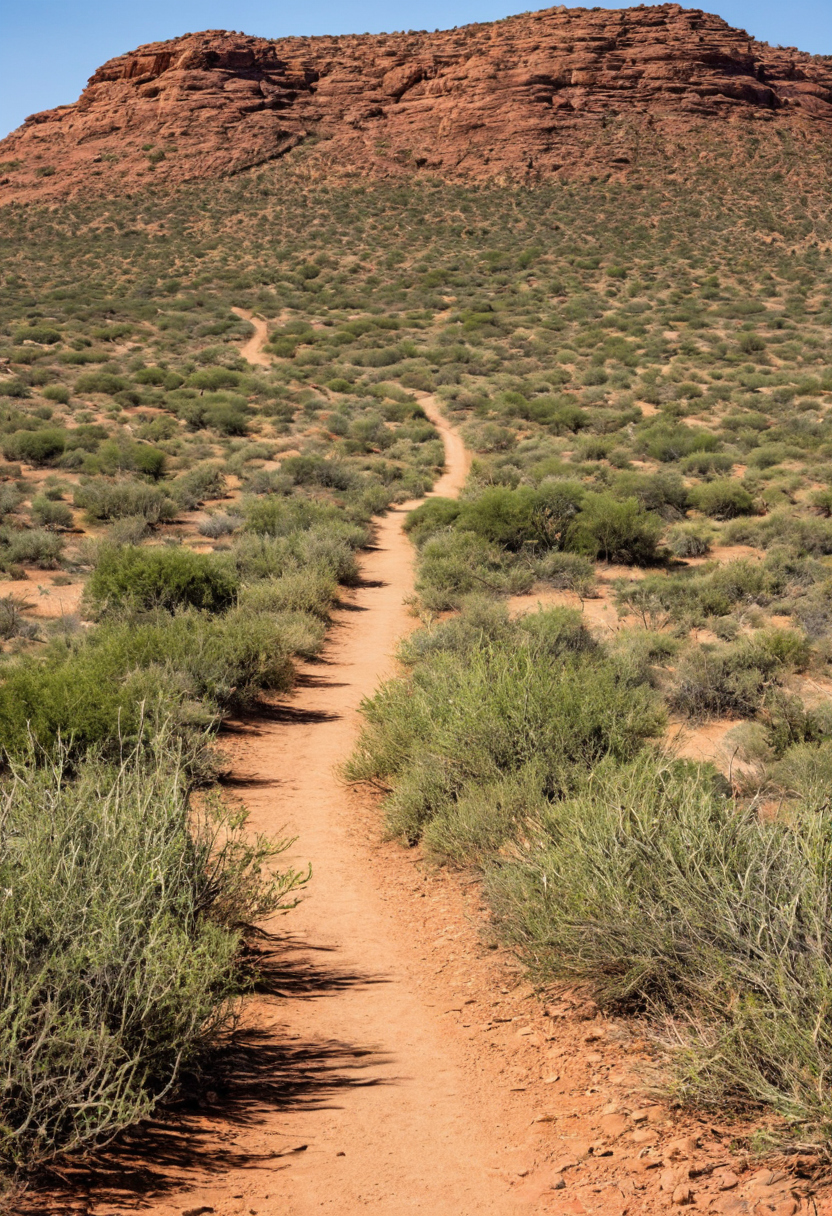
Which pre-booking questions show whether a desert tour is too crowded shown in a natural landscape context.
- Do vehicles stay on designated roads, existing tracks, or marked sand routes? Good answer: no off-track driving except where local rules explicitly allow it. Warning answer: “we drive closer for photos” or “our drivers know safe lines.”
- How are lunch stops, viewpoints, and short walks chosen? Good answer: hardened surfaces, marked paths, durable washes, or rotating stops chosen to avoid repeated trampling. Warning answer: the guide stops wherever the view is best.
- How are campsites rotated or rested? Good answer: fixed permitted camps, booked sites, or mobile camps with a rest plan and pack-out system. Warning answer: the operator uses the same informal clearing because it is convenient.
- What rules apply to self-drive clients joining the activity? Good answer: self-drivers follow the same route, speed, stopping, and waste rules as guided vehicles. Warning answer: self-drivers receive a map and loose advice.
Ask the desert operator what happens when the site is already busy
A strong operator has a congestion plan before the convoy reaches the dune crest, canyon mouth, pan edge, or wildlife sighting. The plan should reduce pressure, not simply add one more vehicle to the queue.
- What happens if the main viewpoint, waterhole, or campsite is full? Good answer: the guide reroutes, waits away from the sensitive area, shortens the stop, or skips it. Warning answer: the operator says every guest is promised the same stop.
- What are the wildlife approach rules when several vehicles are present? Good answer: the operator keeps distance, limits viewing time, avoids blocking movement, and leaves if animal behavior changes. Warning answer: vehicles reposition repeatedly for better angles.
- How are toilet waste, food scraps, and greywater handled on crowded days? Good answer: sealed toilet systems or approved facilities, all litter packed out, and no food waste left at camps. Warning answer: “the desert breaks it down” or “staff clean later.”
If the answers sound polished but not operational, treat the tour as unproven. The next check is what the desert surface itself reveals: tracks, shortcuts, broken crust, and campsites often show whether visitor pressure is already exceeding capacity.
What landscape signs reveal that desert visitor pressure is exceeding capacity?
A desert site is likely under excessive visitor pressure when travelers see multiple parallel vehicle tracks, widening footpaths, broken biological soil crust, compacted campsite surfaces, litter caught in shrubs, informal fire rings, or repeated shortcuts. These signs matter most in drylands where wind, low rainfall, and slow plant recovery reduce resilience.
Multiple vehicle tracks indicate weak route discipline in desert tours
Parallel vehicle tracks are one of the clearest field warnings because they show that drivers are not staying on a single hardened route. A responsible desert guide should be able to explain which track is authorized, why vehicles are not spreading across the wash, dune margin, gravel plain, or pan edge, and how the operator avoids creating new lines when another vehicle is parked.
Track proliferation matters because desert soil damage is not only visual. Vehicle pressure can compact fine sediments, break surface crusts, damage low shrubs, and leave ruts that channel water during rare storms. On windy sites, bare disturbed strips can also become dust sources. A single detour around mud, a stuck vehicle, or a crowded viewpoint may look harmless, but repeated detours create a wider impact zone than the road shown on a permit map.
Biological soil crust research makes the vehicle issue sharper. The USGS describes desert biological soil crusts as communities of cyanobacteria, green algae, lichens, and mosses that help stabilize soils in semi-arid and arid lands, and it notes that crust integrity can be compromised by compressional disturbance from foot traffic, vehicle traffic, or livestock traffic. USGS research on desert biological soil crust vulnerability also found that undisturbed crusts in the studied sites resisted wind erosion under local wind forces, while recently disturbed or less-developed crusts were more vulnerable.
Widening trails and shortcuts indicate walking pressure beyond design limits
A widening trail shows that walking pressure has moved beyond the route the site can absorb. Look for braided paths around a viewpoint, fan-shaped approaches to a waterhole, scuffed slopes below lookouts, and corner-cutting on switchbacks. These features usually mean that visitors are choosing comfort, shade, photos, or speed over the marked route.
Trail widening is especially concerning where the official path crosses crusted soil, gravel pavement, sparse grass clumps, or dune vegetation. In arid places, plants often grow slowly and soil surfaces may hold together through fragile structure rather than deep organic matter. A guide who asks guests to walk single file on the durable tread is managing pressure. A guide who lets guests spread out for photographs is shifting the tour’s impact from a path to a footprint field.
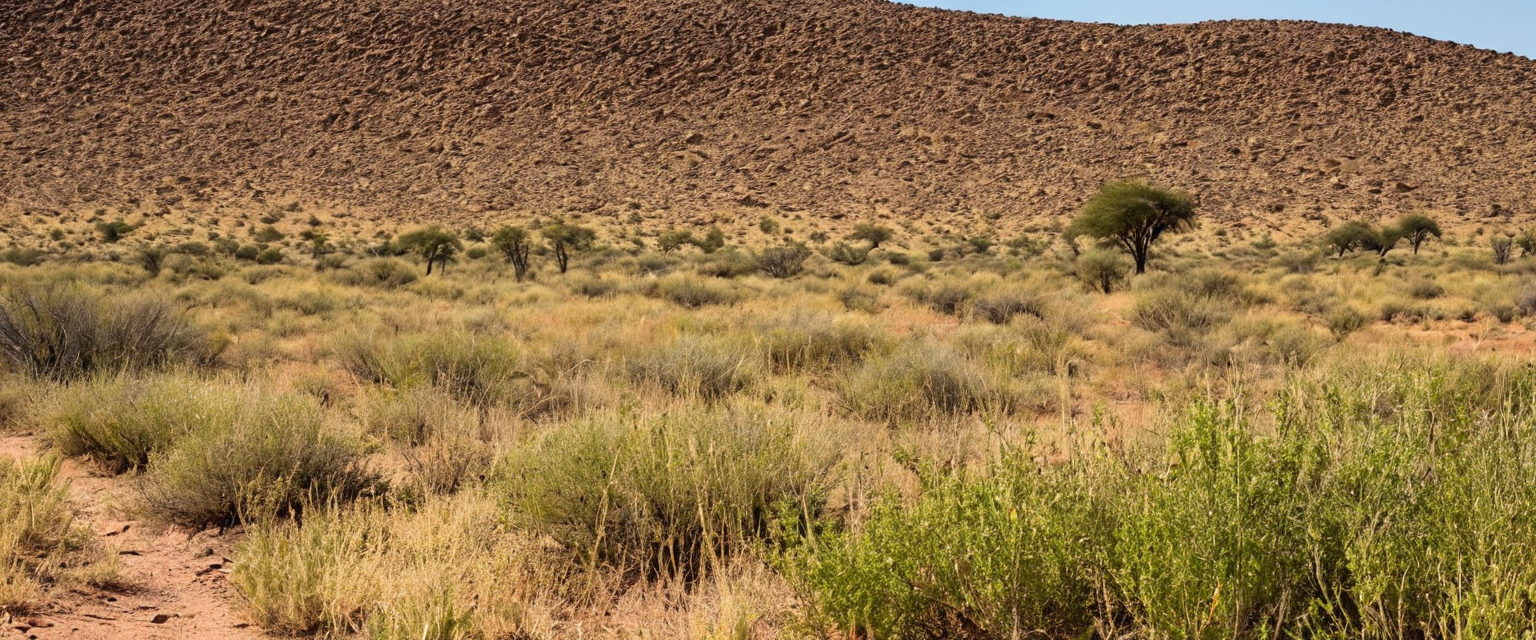
What landscape signs reveal that desert visitor pressure is exceeding capacity shown with outdoor and conservation detail for context.
Compacted campsites send the same message. A heavily used desert camp often has polished bare ground, crushed shrub edges, food scraps near shade bushes, greywater stains, and several informal fire rings. None of those signs proves that one operator caused the damage, but the signs do show that the site is receiving more use than its current management is containing.
Damaged biological soil crust is a high-risk desert impact
Damaged biological soil crust is easy to miss because many travelers mistake it for ordinary dirt. Healthy crust may look dark, bumpy, curled, cracked, or slightly raised between plants. Broken crust may appear as pale scuffs, footprints, tire imprints, loose flakes, or powdery patches beside a trail or vehicle stop.
Biocrusts deserve special caution because their ecological role is larger than their height above the ground. A Frontiers in Microbiology study of human-modified tropical dry forest landscapes reported that biological soil crusts influence erosion control, soil water and nutrient fluxes, hydrology, geomorphology, and ecosystem functioning. The same study found that biocrusts increased soil aggregate stability, with aggregate stability increasing as crust succession progressed, and concluded that crusts in bare spaces between vascular plants play an important role in surface water availability and erosion control. The dryland biocrust study also found reduced infiltration under disturbed and regenerating conditions in its Caatinga dry forest sites, showing that crust effects can vary by soil, disturbance, and crust type.
The highest-risk sign is fresh breakage across a wide visitor area: boot prints on crust beside a viewpoint, tire marks through dark crust between shrubs, or powdery soil where crust has been crushed and then sandblasted. The USGS crust study notes that crustal biomass is concentrated in the top 3 mm of soil, so damage can remove a thin but functional living layer. If the landscape already shows that level of pressure, the next booking test is whether the operator publishes strict waste and sanitation rules, not just a promise to leave no trace.
What waste and sanitation rules should a responsible desert ecotour publish?
A responsible desert ecotour should publish how it prevents litter, food waste, wastewater, toilet contamination, fuel spills, and campfire impacts before the trip begins. This matters on remote arid tours because decomposition is slow, water is scarce, cleanup logistics are difficult, and small waste loads can persist visibly.
Waste policy is not a minor packing detail. Waste policy shows whether the operator has calculated the practical load that each group adds to a dry site: toilet volume, food scraps, packaging, wash water, ash, cigarette waste, batteries, sanitary products, and fuel residue. A vague promise to “leave no trace” is weaker than a clear system for collection, storage, transport, and final disposal.
Toilet waste rules are a core carrying-capacity test for desert tours
Toilet waste rules should change with the setting. A day tour using staffed visitor areas may rely on formal toilets at trailheads or camps. A remote overnight tour, mobile camp, dune route, salt pan crossing, or wilderness zone needs a stricter written plan because there may be no soil moisture, depth, or microbial activity to break down buried waste reliably.
A credible operator should tell guests which system applies before departure: fixed toilets, portable toilets, sealable waste containers, wag bags, or destination-approved catholes where local rules allow them. The operator should also say who carries the system, where it is used, how handwashing is handled without contaminating scarce water points, and how full containers are transported out.
Human waste should never be treated as invisible once buried. Desert camps often concentrate people near shade, vehicle access, scenic overlooks, dry riverbeds, or rare water sources. These are the same places where repeated toileting can create odor, exposed paper, nutrient hotspots, flies, and contamination risks after episodic rain. A responsible operator keeps toilet areas away from ephemeral washes, springs, pans, campsites, and wildlife drinking points, while still following local protected-area rules.
Greywater needs the same level of planning. Dishwater, rinse water, toothpaste foam, and wash water can attract animals, leave greasy soil, or form visible crusted patches around camp kitchens. The stronger answer is not “we use biodegradable soap.” The stronger answer is “we strain food particles, collect or disperse greywater only where allowed, keep wash water away from drainage lines, and pack out the strained solids.”
- Good published rule: all toilet paper, wipes, sanitary products, cigarette filters, batteries, and micro-trash are packed out in sealed waste bags.
- Weak published rule: guests are told to bury paper, burn waste, or leave “organic” scraps for animals.
- Good published rule: guides brief guests on toilet locations, hand hygiene, waste bags, and local disposal rules before the first stop.
- Weak published rule: sanitation is left to guest judgment once the vehicle reaches camp.
Campfire and fuel rules show whether the desert operator respects scarce biomass
Campfire policy is a second carrying-capacity test because desert wood is habitat, soil cover, and slow-grown biomass. Dead branches shelter insects, reptiles, small mammals, and seedlings. Repeated firewood collection around popular camps strips the surrounding area long before the damage looks dramatic from a vehicle.
A responsible desert operator should state whether fires are banned, restricted to formal fireplaces, replaced by gas stoves, or allowed only under current local fire conditions. The operator should also state whether firewood is brought from an approved source, whether local collection is prohibited, how ash and charcoal are removed, and how fire pans or existing fire rings are managed.
Fire rings are not harmless if each group builds a new one. A scatter of blackened stones, foil, bottle caps, melted plastic, and half-burned cans signals that the campsite is absorbing more use than the operator is controlling. A low-impact camp uses existing designated facilities where required, avoids new scars in open desert, and removes cold ash where rules require pack-out.
Fuel handling also belongs in the written policy. Gas cylinders, jerry cans, stove fuel, vehicle fluids, and generator fuel should be stored upright, secured from puncture, and kept away from drainage lines and cooking areas. The operator should carry spill materials suitable for the fuel it brings, not rely on sand burial or evaporation.
Before booking, ask one plain question: “What leaves the desert with your group?” The answer should include toilet waste where required, all packaging, all food scraps, all hygiene waste, all batteries, and any contaminated cleanup material. If the operator cannot answer that clearly, the next concern is just as practical: how the same operator controls wildlife disturbance when several groups crowd the same waterhole, den, or sighting.
How should a desert ecotour manage wildlife disturbance when sites are crowded?
A desert ecotour should manage wildlife disturbance by setting approach distances, limiting vehicles at sightings, banning chasing or baiting, controlling noise, avoiding nesting or denning areas, and respecting night-drive and drone rules. These controls matter most during breeding seasons, drought stress, heat extremes, and water-point concentration periods.
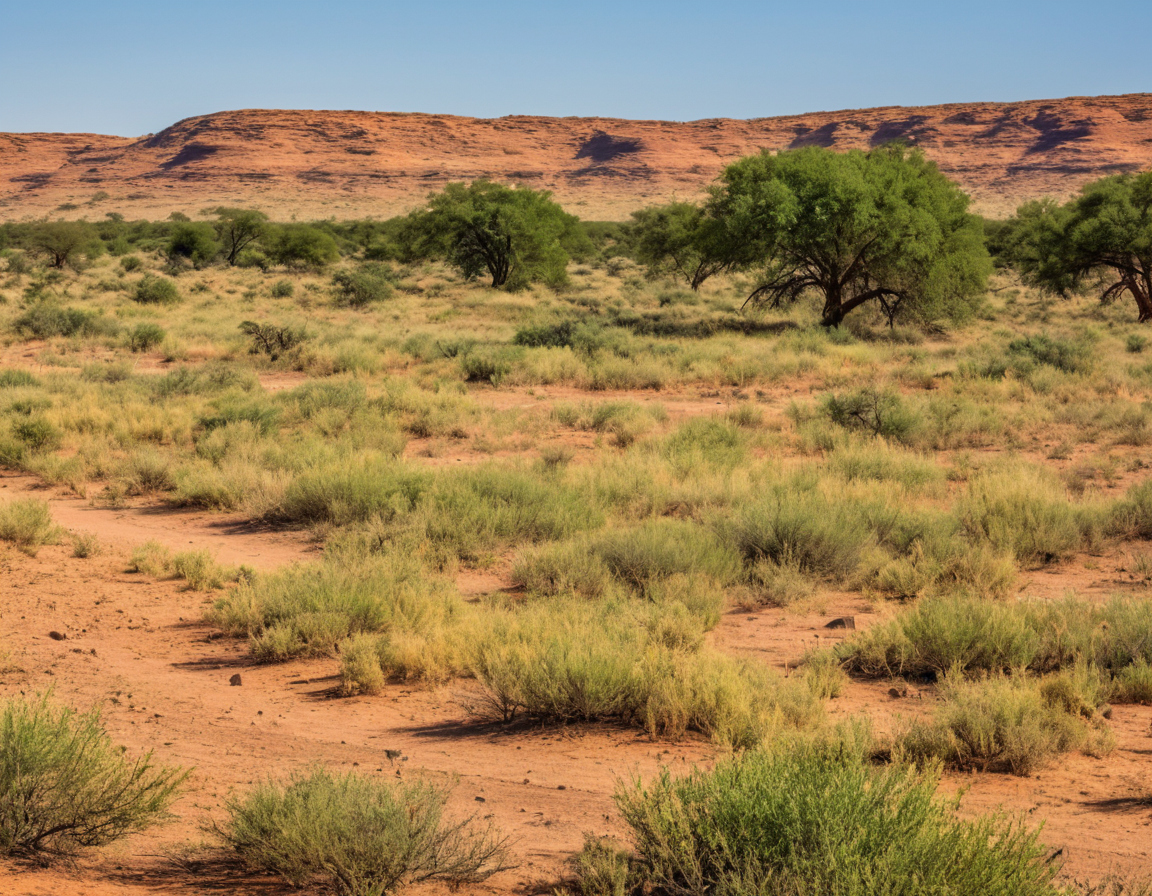
How should a desert ecotour manage wildlife disturbance when sites are crowded shown with outdoor and conservation detail for context.
Crowded wildlife sightings need vehicle limits and time limits
A responsible desert operator should publish a sighting rule before guests climb into the vehicle. The rule should say how many vehicles may stop at one animal or group, how long each vehicle may stay, where vehicles may position themselves, and when the guide will leave even if guests still want photographs.
The strongest booking signal is a guide who will abandon a crowded sighting. A good operator says, “If the animal changes direction, shows alarm, has young, blocks a den entrance, or attracts too many vehicles, we leave.” A weak operator says, “We always get close,” “Our guides know how to push in safely,” or “We stay until everyone gets the shot.”
Vehicle positioning matters because desert animals often have limited shade, cover, and escape options. A vehicle should not cut off an animal’s path to a water point, surround a predator with cubs, sit on both sides of a walking animal, or force wildlife toward other vehicles. The guide should keep the engine, voices, doors, and camera noise low, especially near birds, small mammals, reptiles warming on tracks, and animals already stressed by heat.
Time limits matter because disturbance accumulates. One quiet vehicle for a short view may be tolerable under local rules, while repeated stops by several vehicles can change feeding, resting, hunting, or drinking behavior. A desert tour that sells “exclusive wildlife access” should still explain its maximum viewing time, guest behavior rules, and guide-to-vehicle communication system when another group arrives.
Drones, night drives, and waterholes need stricter desert wildlife rules
Drones, night drives, spotlights, and waterhole stops need tighter controls because they add pressure at moments when wildlife has fewer options. A responsible operator should state whether drones are banned, permit-only, or allowed only away from wildlife and other visitors. If the answer is vague, assume the operator has not built disturbance control into the trip.
Night activity needs the same scrutiny. Artificial light can extend visitor pressure into the hours when many desert species feed, hunt, commute, or avoid daytime heat. A lower-energy lamp is not automatically low impact: ENERGY STAR LED lighting guidance says qualified LEDs use at least 75 percent less energy and last up to 25 times longer than incandescent lighting, but wildlife-sensitive guiding still requires dim output, careful direction, short use, and compliance with local night-drive rules.
Waterholes deserve the strictest behavior standard in dry periods. Vehicles should not crowd the only drinking approach, block hesitant animals, idle beside the water, use flash at close range, or turn a water point into a social stop. A careful guide waits back, rotates out when other vehicles arrive, and leaves immediately if animals stop approaching or begin scanning the vehicles instead of drinking.
Before booking, ask for the operator’s wildlife code in writing: approach distances, no-feeding policy, drone policy, night-drive permissions, waterhole etiquette, seasonal exclusions, and the guide’s authority to leave a sighting. The next decision is what to do with those answers: book, question, or reject the crowded desert tour.
How can a traveler decide whether to book, question, or reject a crowded desert tour?
A traveler can decide by treating carrying capacity as a pass, question, or reject screen. Book when the operator gives site-specific limits and rules; question incomplete answers; reject tours that normalize off-track driving, unmanaged crowding, wildlife pressure, poor sanitation, or vague eco-certification claims.
Book the desert tour when the operator gives verifiable carrying-capacity controls
Green signal: the operator can explain how visitor pressure is limited before the vehicle leaves the lodge, gate, or trailhead. A credible answer names the permit area, maximum group size, vehicle cap, guide-to-guest arrangement, marked or approved routes, no off-track rule, toilet system, wildlife approach rule, and site-rotation plan.
Good documentation does not need to be burdensome. A traveler can ask for the protected-area permit category, a short pre-trip code of conduct, the operator’s waste policy, the route or zone description, and the cancellation terms that apply if rain, heat, fire risk, wildlife breeding, road closure, or park instruction changes the itinerary. Responsible operators should prefer changing a route to forcing access when the desert is vulnerable.
- Green: “We use only designated tracks, rotate campsites, carry out toilet waste where required, limit vehicles at sightings, and cancel or reroute when the reserve closes an area.”
- Amber: “We keep groups small,” but no one can state the vehicle limit, route rule, sanitation method, or wildlife distance policy.
- Red: “We go where other tours cannot,” while the sales page shows fresh off-road tracks, animals being crowded, or camps with fire rings and litter.
Question the desert tour when sustainability claims are broad but operational rules are missing
Amber claims include “eco-friendly,” “low-impact,” “exclusive,” “untouched,” “wilderness access,” and “community based” when those phrases stand alone. The follow-up is simple: “Which rule reduces pressure on soil, water, wildlife, and waste at the site I will visit?” A serious operator will answer with procedures, not mood words.
Eco-certification can help only when the certification checks field operations relevant to that destination. Ask whether the standard audits vehicle routes, group size, guide training, waste removal, local employment, water use, wildlife conduct, and compliance with protected-area rules. If the label covers office recycling but not desert tracks, campsite recovery, or toilet waste, the label should not settle the booking decision.
Travelers should also check species-level conservation risk after the operational screen. If the tour involves rare, threatened, or disturbance-sensitive wildlife, use the companion guide to use the IUCN Red List before booking a wildlife or desert ecotour, then ask how the operator changes viewing behavior for that species and season.
Reject the desert tour when crowding damage is part of the experience
Red flags should override a cheaper price, a dramatic sunset stop, or a promise of empty scenery. Reject a tour that sells off-road thrill driving on fragile ground, chases wildlife for photographs, feeds animals, flies drones near animals or nesting areas, ignores ranger instructions, has no toilet plan, dumps greywater near camp, burns scarce deadwood, leaves food scraps, or treats littered campsites as normal.
Protected-area rules differ by destination, and current restrictions can change with drought, flood damage, wildfire risk, breeding seasons, or road rehabilitation. Before paying a deposit, check the operator’s cancellation and rerouting terms so environmental closures do not become pressure to break rules. The cleanest booking choice is the tour that can say “no” to access when the desert cannot absorb another vehicle, camp, or crowd that day.
FAQ
What are the main factors that affect the carrying capacity of a desert tourism destination?
The main factors are soil stability, vegetation recovery, rainfall history, route design, vehicle numbers, group size, campsite rotation, toilet systems, wildlife sensitivity, staff supervision, permits, and seasonal closures. Desert capacity is usually lower where biological soil crust, sparse vegetation, dunes, pans, or wildlife water points receive repeated pressure.
Is a small-group desert tour always low impact?
No. A small group can still cause high impact if vehicles drive off-track, guests spread across crusted soil, campsites are reused without rest, toilet waste is buried poorly, or wildlife sightings are crowded. Small-group claims need operational rules behind them.
How many vehicles are too many at a desert wildlife sighting?
There is no universal number that applies to every species, reserve, season, and road layout. Too many vehicles are present when animals change direction, stop feeding or drinking, become blocked from movement, show alarm, or when the guide cannot maintain distance and quiet behavior. A responsible operator should follow local rules and leave before the sighting becomes pressure.
What should I ask a desert tour operator before booking an ecotour?
Ask for the maximum group size, vehicle count, guide-to-guest ratio, route permits, off-track policy, campsite rotation, toilet system, greywater plan, waste pack-out rule, wildlife approach distances, drone policy, night-drive permissions, and the plan for crowded viewpoints or waterholes.
What are the clearest red flags that a desert ecotour is overcrowded or poorly managed?
The clearest red flags are parallel vehicle tracks, trail braiding, fresh crust damage, compacted informal camps, litter in shrubs, multiple fire rings, vague sustainability claims, no toilet plan, off-track photo stops, crowded wildlife sightings, and an operator that promises access even when local conditions or protected-area rules should limit use.