Dubai’s urban landscape pulses with the constant hum of construction, traffic, and the vibrant energy of a growing metropolis. Yet within the towering glass facades of luxury high-rises, residents face an unexpected challenge: achieving serene acoustic environments while maintaining their commitment to sustainability. The traditional approach to sound management often relies on synthetic materials and energy-intensive systems that contradict the very principles of eco-conscious living. However, a revolution is underway in 2025, where sustainable acoustic design merges environmental responsibility with sophisticated sound engineering, creating sanctuaries of tranquility that honor both luxury and ecological stewardship. This comprehensive exploration reveals how Dubai’s most discerning residents are transforming their urban havens through innovative eco-friendly sound management solutions that redefine the intersection of comfort, sustainability, and acoustic excellence.
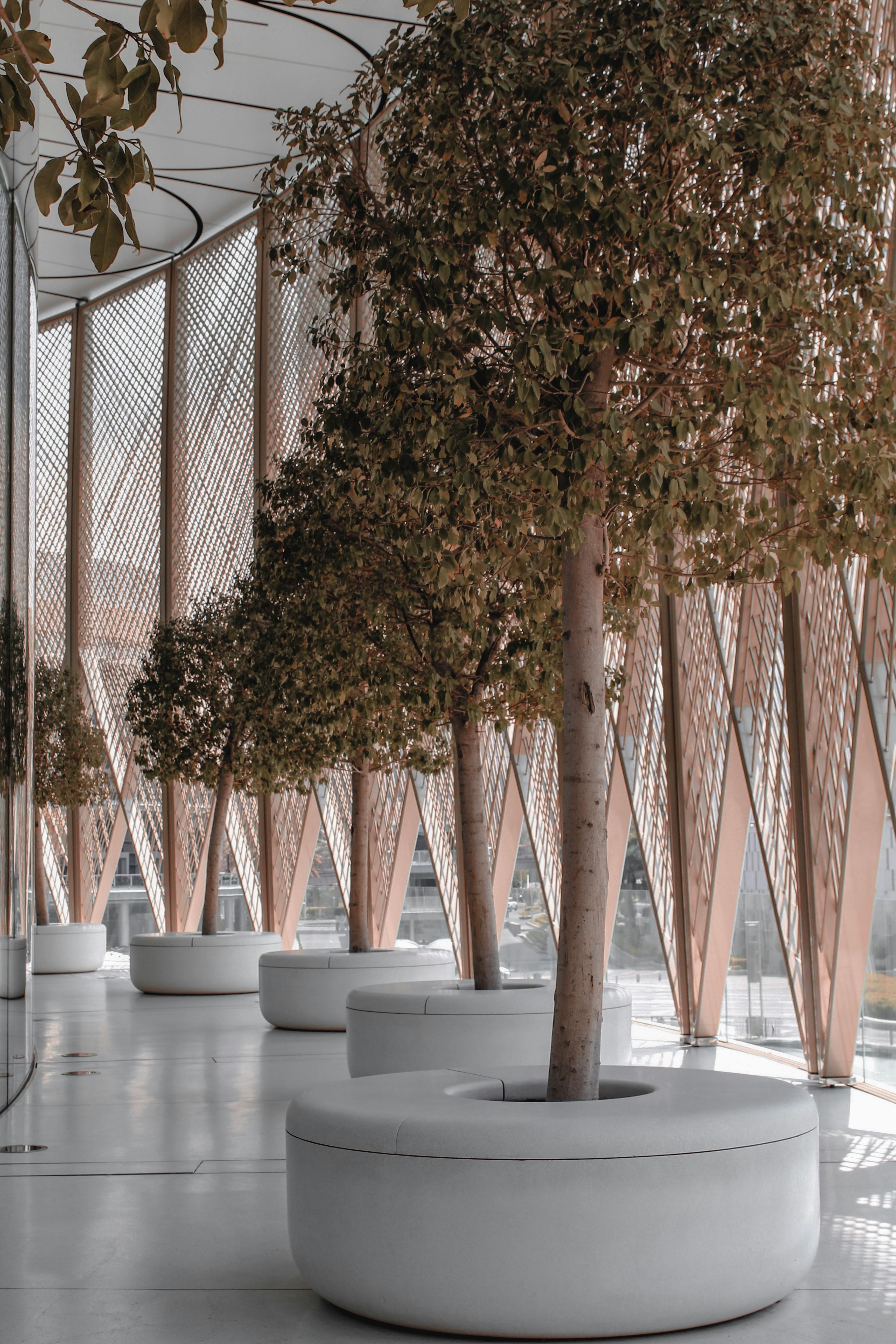
This Photo was taken by Dina.
The silent crisis in Dubai’s vertical neighborhoods
The vertical expansion of Dubai’s residential landscape has created an unintended acoustic crisis. According to the World Health Organization, urban noise pollution affects over 1 billion people globally, with high-rise residents experiencing particularly complex soundscape challenges. In Dubai’s luxury developments, the problem becomes multifaceted: external urban noise penetrates through expansive windows, internal building systems create mechanical reverberations, and the open-plan designs favored in contemporary architecture amplify sound transmission between spaces.
Recent studies from the Dubai Municipality’s Environmental Department indicate that 73% of high-rise residents report acoustic discomfort as a primary concern affecting their quality of life. The challenge intensifies when residents seek solutions that align with their environmental values. Traditional acoustic treatments often rely on petroleum-based foams, synthetic insulators, and energy-intensive active noise control systems that contradict the sustainability principles increasingly valued by Dubai’s eco-conscious luxury market.
This creates a fundamental design paradox: how do you achieve acoustic excellence while maintaining environmental integrity? The answer lies in understanding that sustainable acoustic design is not merely about substituting conventional materials with eco-friendly alternatives, but rather reimagining the entire approach to sound management through biomimicry, natural material innovation, and integrated system thinking.
Understanding sustainable acoustics: where science meets nature
Sustainable acoustic design operates on the principle that nature provides the most sophisticated sound management systems. Consider the structure of bird feathers, which achieve remarkable noise reduction through their hierarchical geometry, or the way forest canopies create complex acoustic environments through layered absorption and diffusion. These natural phenomena inform the development of eco-luxury materials that deliver superior acoustic performance while maintaining environmental credentials.
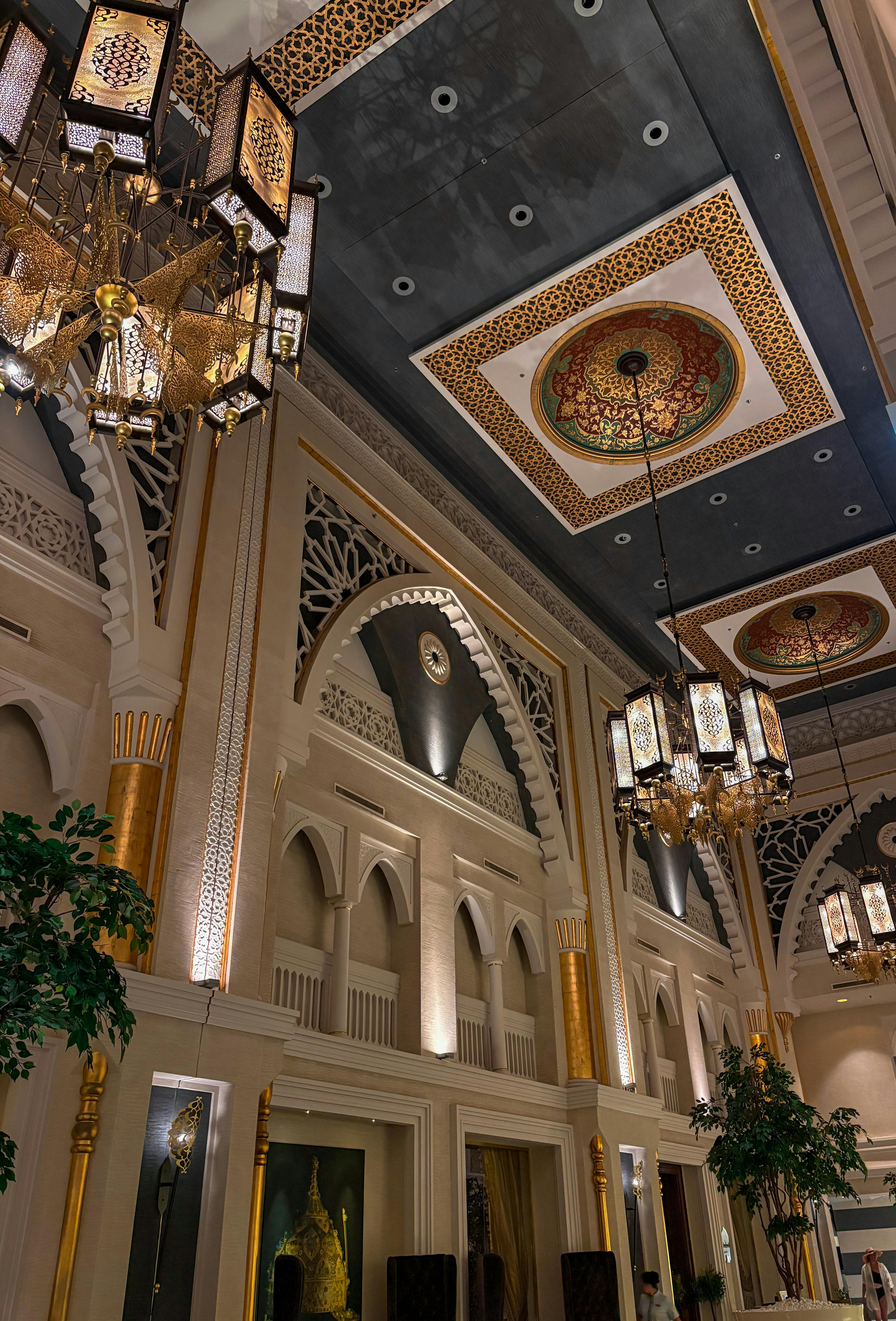
This Photo was taken by Chrislyn Dsouza.
The science behind sustainable acoustics involves three core principles: absorption, diffusion, and isolation. Absorption addresses unwanted reflections through materials that convert sound energy into minimal heat. Diffusion scatters sound waves to create more even acoustic environments. Isolation prevents sound transmission between spaces. What distinguishes sustainable approaches is the integration of these principles through materials and systems that actively contribute to indoor air quality, thermal regulation, and overall environmental health.
For instance, mycelium-based acoustic panels not only provide excellent sound absorption but also actively filter air pollutants and regulate humidity. Cork composites offer superior acoustic isolation while being rapidly renewable and carbon-negative in their lifecycle. These materials represent a fundamental shift from viewing acoustic treatment as a single-purpose intervention to understanding it as part of a holistic environmental system.
The lifecycle impact of acoustic materials
Traditional acoustic materials carry significant environmental costs. Synthetic foams require petroleum extraction and energy-intensive manufacturing processes. Mineral wool insulation, while effective, often contains formaldehyde binders that affect indoor air quality. Glass fiber products present disposal challenges and potential health concerns during installation.
| Material Type | Carbon Footprint (kg CO2/m²) | Recycled Content (%) | Indoor Air Quality Impact | Acoustic Performance (NRC) |
|---|---|---|---|---|
| Synthetic Foam | 12.4 | 5 | Moderate VOC emissions | 0.85 |
| Mineral Wool | 8.7 | 30 | Formaldehyde concerns | 0.90 |
| Recycled Cotton | 3.2 | 85 | Neutral | 0.80 |
| Mycelium Panels | 1.8 | 95 | Air purifying | 0.88 |
| Cork Composite | 2.1 | 40 | Antimicrobial | 0.75 |
This data, compiled from 2025 industry reports, demonstrates that sustainable acoustic materials not only reduce environmental impact but often match or exceed the performance of conventional alternatives. The key lies in understanding that acoustic performance cannot be evaluated in isolation from broader environmental and health considerations.
Revolutionary materials transforming acoustic design
The landscape of sustainable acoustic materials has evolved dramatically in 2025, driven by advances in biotechnology, material science, and manufacturing processes. These innovations represent more than incremental improvements; they constitute a fundamental reimagining of what acoustic materials can be and do.

This Photo was taken by Mathilde Langevin.
Mycelium-based acoustic systems
Mycelium, the root structure of mushrooms, has emerged as perhaps the most promising sustainable acoustic material. Companies like Ecovative and MycoWorks have developed mycelium-based panels that grow in controlled environments using agricultural waste as substrate. These panels offer remarkable acoustic properties: their cellular structure provides excellent sound absorption across a broad frequency range, while their natural antimicrobial properties improve indoor air quality.
The manufacturing process is carbon-negative, as the mycelium sequesters more carbon during growth than is emitted during production. For Dubai’s luxury market, mycelium panels can be customized in various densities, colors, and surface textures, allowing designers to create bespoke acoustic environments that reflect individual aesthetic preferences while maintaining environmental integrity.
Advanced cork composites
Cork has long been recognized for its acoustic properties, but recent developments have expanded its application potential significantly. Modern cork composites combine recycled cork particles with bio-based binders to create panels with superior acoustic isolation properties. These materials excel in preventing sound transmission between rooms, making them ideal for Dubai’s high-density living environments.
The thermal properties of cork also contribute to energy-efficient design by providing additional insulation that reduces HVAC loads. In Dubai